The technology sector continues to offer some of the most competitive salaries in the U.S. job market, but compensation varies dramatically based on location, experience level, and specialization. Understanding these factors can help both job seekers and current professionals negotiate better packages and make informed career decisions.
The National Landscape: Base Numbers
Across the United States, tech professionals enjoy significantly higher compensation than the national average across all occupations. Entry-level positions in technology typically start at $65,000-$85,000, with mid-career professionals earning $95,000-$135,000, and senior roles commanding $145,000-$225,000+.
These base figures, however, tell only part of the story. The real picture emerges when we examine how specific factors influence these ranges.
Location Matters More Than Ever
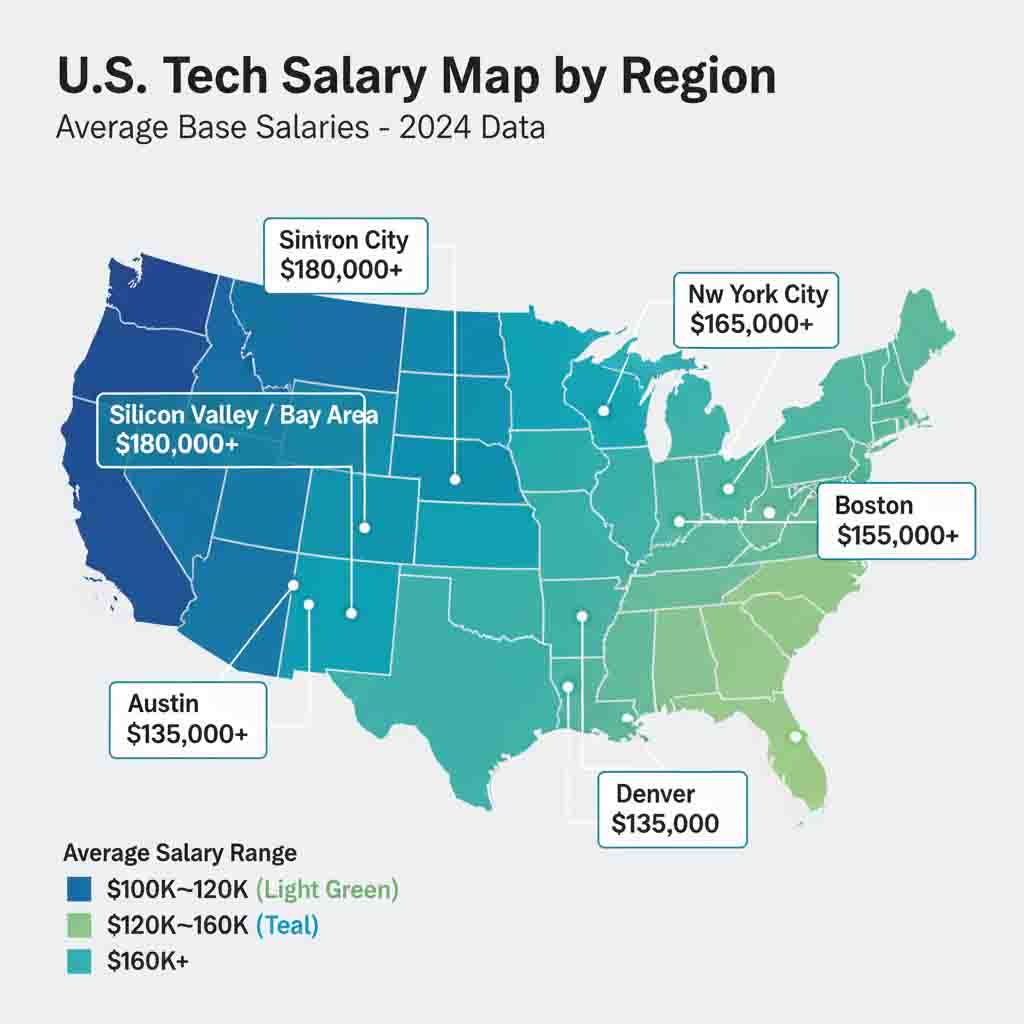
While remote work has decentralized some opportunities, geographic location remains a powerful determinant of tech compensation. The traditional tech hubs continue to lead in absolute numbers, but the value of those salaries varies significantly when adjusted for local cost of living.
Major Tech Hubs:
-
San Francisco Bay Area: Senior software engineers average $185,000-$245,000
-
New York City: Tech leads typically earn $155,000-$210,000
-
Seattle: Mid-level developers command $125,000-$165,000
Emerging Markets:
-
Austin: Senior roles reaching $135,000-$175,000
-
Denver: Tech salaries averaging $115,000-$155,000 for experienced professionals
-
Atlanta: Growing tech ecosystem offering $105,000-$145,000 for senior positions
The remote work revolution has introduced new complexity to location-based compensation. Some companies have adopted location-agnostic pay scales, while others adjust salaries based on the employee’s geographic location. This has created new opportunities for tech professionals to optimize their earnings relative to local costs of living.
The Experience Premium
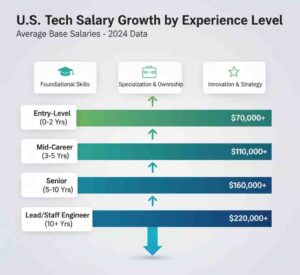
Experience level creates some of the most dramatic differentials in tech compensation. The progression from entry-level to senior roles typically occurs within 5-8 years, with corresponding salary increases.
Software Engineer Progression:
-
0-2 years experience: $75,000-$95,000
-
3-5 years experience: $105,000-$135,000
-
6-8 years experience: $140,000-$175,000
-
8+ years experience: $165,000-$225,000+
This progression accelerates for professionals who develop specialized skills or move into leadership roles. The most significant jumps often occur when changing companies rather than through internal promotions.
Specialization: The New Salary Driver
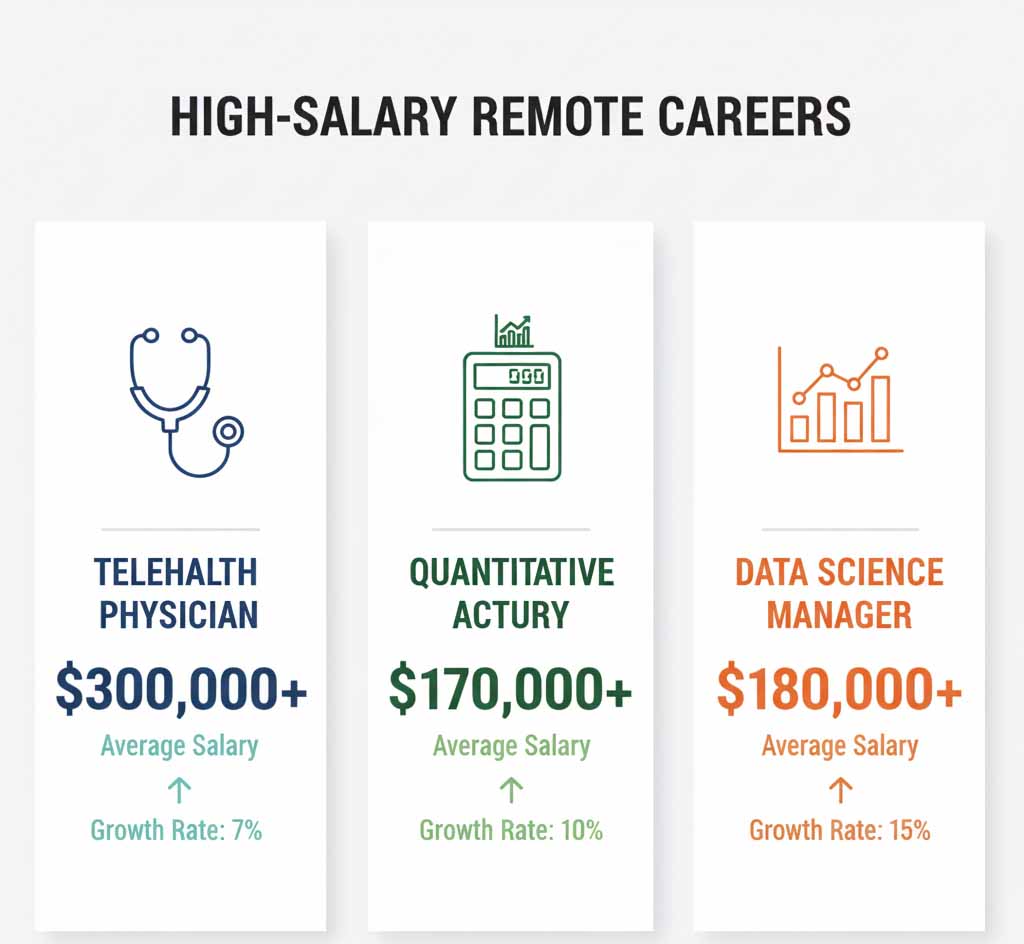
As technology evolves, premium compensation increasingly follows specialization rather than generalist roles. Certain niches command significant salary premiums due to high demand and limited talent supply.
High-Demand Specializations:
-
Machine Learning Engineering: $145,000-$235,000
-
DevOps and Cloud Architecture: $130,000-$195,000
-
Cybersecurity Analysis: $125,000-$185,000
-
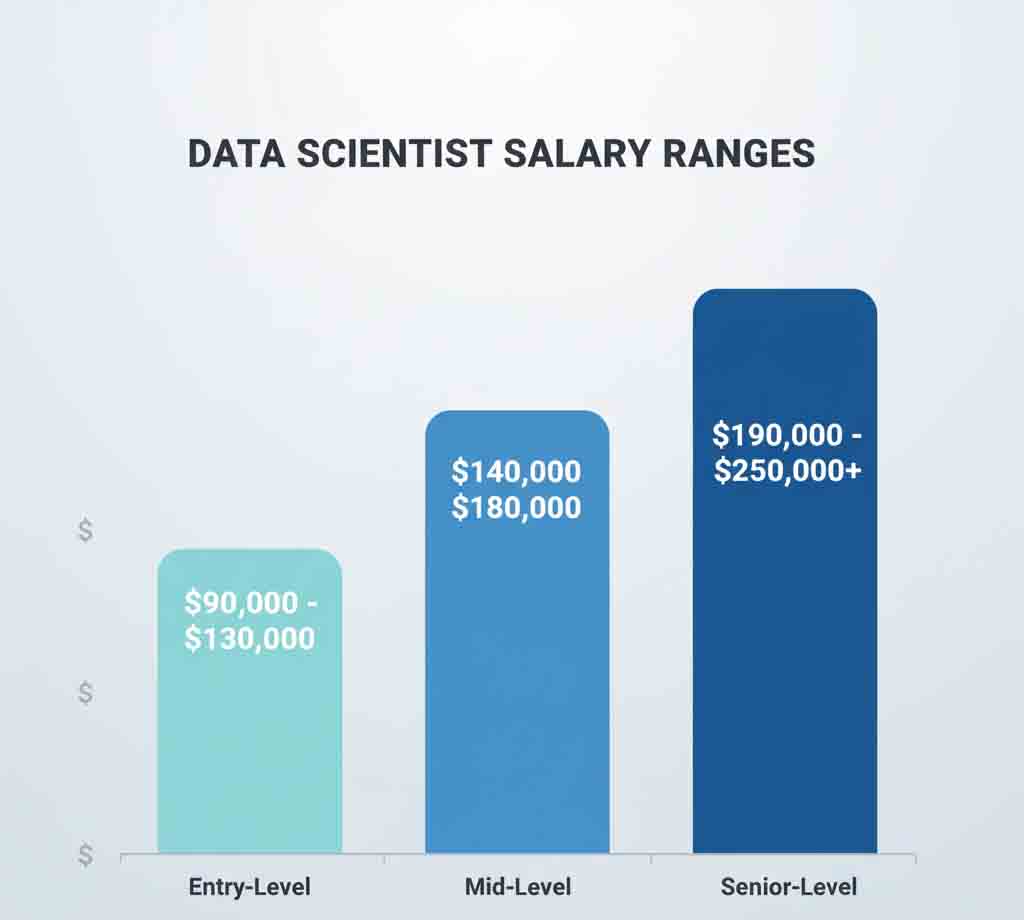
Data Science: $120,000-$180,000
-
Blockchain Development: $115,000-$195,000
These specializations typically require both foundational technical skills and domain-specific knowledge. Professionals who invest in developing expertise in these areas often see returns within 12-18 months through accelerated salary growth.
Beyond Base Salary: The Total Compensation Package
Tech compensation extends far beyond base salary, with equity, bonuses, and benefits comprising 20-40% of total compensation in many cases.
Additional Compensation Components:
-
Annual performance bonuses: 5-15% of base salary
-
Signing bonuses: $5,000-$50,000 (often with repayment clauses)
-
Stock options/RSUs: $10,000-$100,000+ annually at major tech companies
-
Comprehensive health benefits: Often 100% employer-paid
-
401(k) matching: Typically 3-6% of salary
-
Continuing education stipends: $2,000-$10,000 annually
The composition of these packages varies significantly between startup environments and established tech companies. Startups often emphasize equity with lower cash compensation, while established companies offer more balanced packages with higher base salaries.
Negotiation in the Tech Sector
Successful negotiation requires understanding both market data and individual value proposition. Tech professionals who negotiate typically increase their initial offers by 8-15%, representing significant lifetime earning potential.
Effective strategies include:
-
Researching company-specific compensation data
-
Highlighting specialized skills or certifications
-
Demonstrating impact through portfolio or metrics
-
Considering the entire compensation package, not just base salary
-
Timing discussions strategically (offer stage, performance reviews)
The growing transparency around tech salaries has created a more informed negotiating environment, with professionals increasingly aware of their market value.
Future Outlook
The tech salary growth shows signs of moderating from the rapid increases seen in 2021-2023, but continues to outpace most other sectors. Emerging fields like artificial intelligence, quantum computing, and edge computing are creating new high-compensation specializations even as foundational roles like web development maintain steady growth.
Professionals who continuously update their skills, consider geographic opportunities strategically, and develop specialized expertise will be best positioned to maximize their earning potential in the evolving tech landscape.
Data Source
U.S. Bureau of Labor Statistics, Levels.fyi, Stack Overflow Developer Survey