Project management continues to rank among the most in-demand professions across industries, with organizations increasingly recognizing the value of skilled professionals who can deliver initiatives on time, within budget, and according to specifications. The project management field offers diverse opportunities, competitive compensation, and clear advancement paths for individuals who develop the right combination of technical knowledge, leadership capabilities, and strategic thinking.
This comprehensive guide draws on proven methodologies and current industry standards to provide a clear roadmap for launching and advancing a project management career. Whether you’re transitioning from another field or seeking to formalize your project experience, these steps will help you build the foundation for long-term success.
Understanding the Project Manager Role
Project managers serve as the driving force behind successful project execution, balancing multiple responsibilities across planning, execution, and delivery phases. Core responsibilities typically include:
-
Defining project scope, objectives, and deliverables
-
Developing detailed project plans and timelines
-
Assemblying and leading project teams
-
Managing budgets and resource allocation
-
Identifying and mitigating risks
-
Communicating with stakeholders at all levels
-
Ensuring quality standards and requirements are met
Successful project managers combine strong organizational skills with emotional intelligence, enabling them to navigate complex interpersonal dynamics while maintaining focus on project goals. The role requires adaptability across different organizational cultures and project methodologies.
Essential Skills for Project Management Success
Technical Competencies
Project managers need strong foundational knowledge in several technical areas:
-
Project Management Methodologies: Waterfall, Agile, Scrum, Kanban, and Hybrid approaches
-
Project Planning and Scheduling: Work breakdown structures, Gantt charts, critical path method
-
Budgeting and Financial Management: Cost estimation, tracking, and variance analysis
-
Risk Management: Identification, assessment, and mitigation planning
-
Tools Proficiency: Microsoft Project, JIRA, Asana, Smartsheet, or similar platforms

Leadership and Interpersonal Skills
Technical knowledge must be complemented by strong people skills:
-
Communication: Clear articulation across diverse audiences and formats
-
Stakeholder Management: Identifying needs and managing expectations
-
Team Leadership: Motivating and guiding cross-functional teams
-
Conflict Resolution: Addressing disagreements constructively
-
Negotiation: Securing resources and navigating constraints
Strategic Thinking
Beyond tactical execution, effective project managers demonstrate:
-
Business Acumen: Understanding how projects support organizational objectives
-
Problem-Solving: Analyzing challenges and developing solutions
-
Decision-Making: Balancing data, intuition, and stakeholder input
-
Change Management: Guiding organizations through transitions
Educational Pathways and Requirements
Formal Education Options
While multiple paths exist, most project management positions require:
-
Bachelor’s Degree: Typically in business, management, engineering, or related fields
-
Master’s Degree: MBA or Master’s in Project Management for advanced positions
-
Project Management Courses: University extensions or specialized training providers
Alternative paths include transitioning from subject matter expert roles or leveraging military experience, though additional education may accelerate advancement.
Project Management Certifications
Certifications validate knowledge and enhance career prospects:
Entry-Level Certifications:
-
Certified Associate in Project Management (CAPM)
-
Google Project Management Certificate
-
PRINCE2 Foundation
Professional-Level Certifications:
-
Project Management Professional (PMP)
-
PRINCE2 Practitioner
-
Certified ScrumMaster (CSM)
-
PMI Agile Certified Practitioner (PMI-ACP)
Advanced Specializations:
-
Program Management Professional (PgMP)
-
Portfolio Management Professional (PfMP)
-
PMI Risk Management Professional (PMI-RMP)
Most professionals begin with one foundational certification, then progress to professional credentials aligned with their industry and methodology preferences.
Gaining Practical Experience
Entry-Level Opportunities
Building initial experience represents a critical career phase:
-
Project Coordinator: Supporting project managers with administrative tasks
-
Project Scheduler: Developing and maintaining project timelines
-
Business Analyst: Defining requirements and supporting implementation
-
Team Lead: Managing small projects or project components
Experience Development Strategies
Even without formal titles, you can develop relevant experience:
-
Volunteer Projects: Leading initiatives for professional organizations or nonprofits
-
Cross-Functional Initiatives: Participating in workplace projects outside your core role
-
Mentorship: Learning from experienced project managers
-
Stretch Assignments: Volunteering for additional responsibilities with project management elements
Document all project experiences thoroughly, noting specific responsibilities, methodologies, tools, and achievements for future applications and interviews.
The Project Management Job Search
Resume and Portfolio Development
Effective application materials highlight project management capabilities:
-
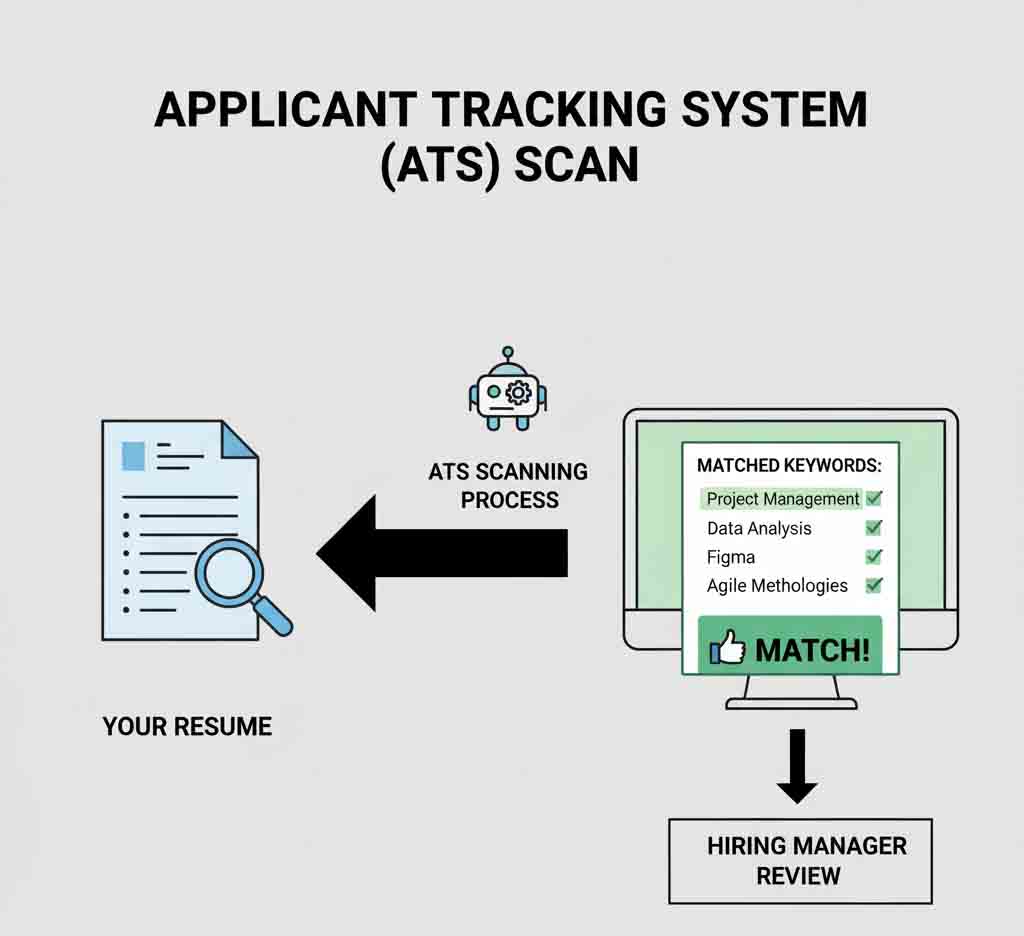
Quantifiable Achievements: Emphasizing projects delivered on time and within budget
-
Methodology Experience: Specifying experience with Agile, Waterfall, or other approaches
-
Tool Proficiency: Listing relevant software and collaboration platforms
-
Leadership Examples: Demonstrating team management and stakeholder engagement
Consider developing a project portfolio showcasing successful initiatives, including planning documents, outcomes, and lessons learned.
Interview Preparation
Project management interviews typically assess both knowledge and practical abilities:
-
Behavioral Questions: Discussing past project experiences and challenges
-
Scenario-Based Questions: Solving hypothetical project problems
-
Technical Assessments: Demonstrating tool proficiency or planning capabilities
-
Methodology Discussions: Explaining approaches to different project types
Prepare specific examples using the STAR (Situation, Task, Action, Result) method to structure responses clearly and comprehensively.
Career Advancement Strategies
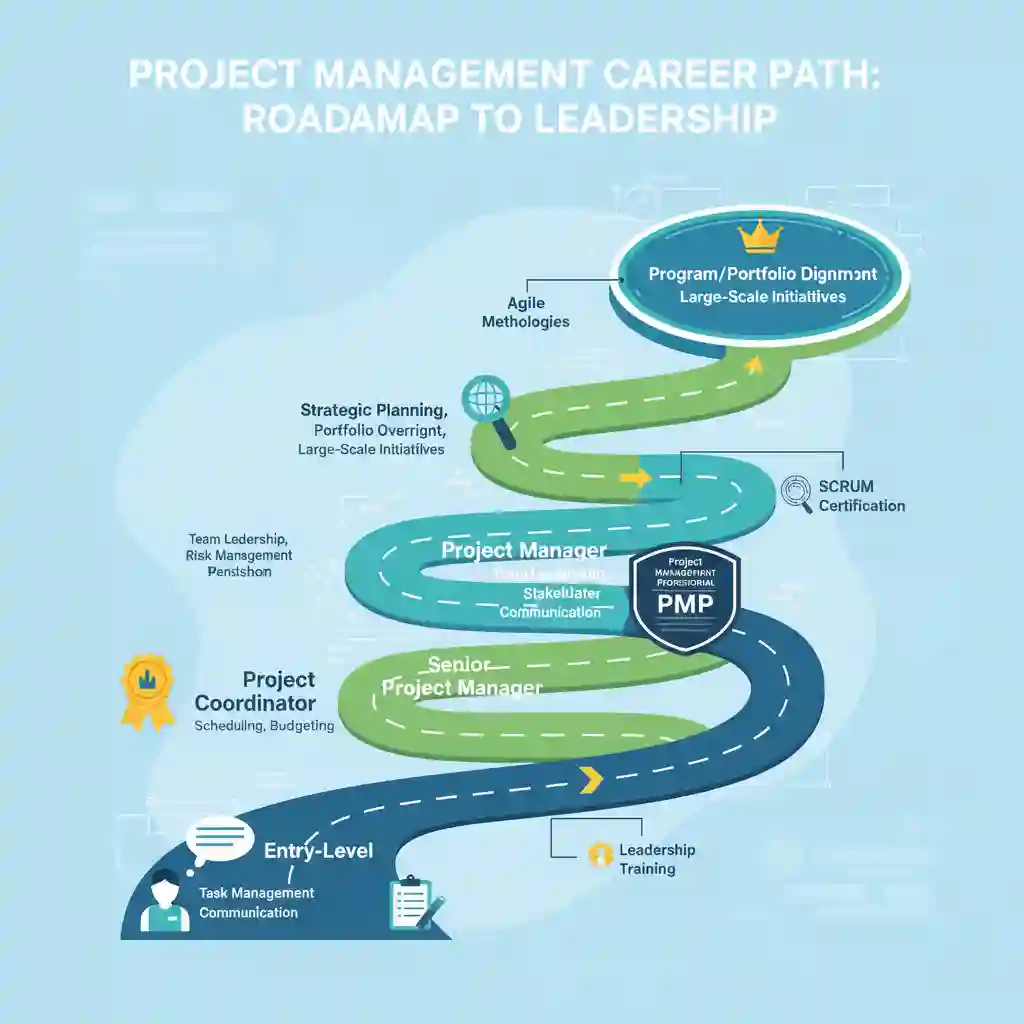
Early Career (0-3 years)
Focus on building foundational skills and experience:
-
Master core project management methodologies
-
Develop proficiency with essential tools
-
Complete initial certifications
-
Build track record of successful project contributions
Mid-Career (4-8 years)
Advance to greater responsibility and complexity:
-
Lead larger, more complex projects
-
Mentor junior team members
-
Obtain professional-level certifications
-
Develop specialized knowledge in specific industries or methodologies
Senior Level (8+ years)
Progress to strategic leadership roles:
-
Program or portfolio management
-
PMO leadership or development
-
Organizational change initiatives
-
Executive-level advisory roles
Industry Specialization Considerations
Project management principles transfer across industries, but specialization can enhance opportunities:
-
Information Technology: Agile methodologies, software development lifecycles
-
Construction: Building codes, safety regulations, subcontractor management
-
Healthcare: Regulatory compliance, patient privacy, clinical workflows
-
Manufacturing: Supply chain management, quality control, lean principles
-
Finance: Regulatory requirements, compliance, risk management
Consider aligning specialization with personal interests, existing experience, and market demand in your region.
Future Trends in Project Management
The profession continues evolving, with several trends shaping future requirements:
-
Hybrid Methodologies: Blending predictive and adaptive approaches
-
Remote Team Management: Leading distributed teams effectively
-
Artificial Intelligence: Leveraging AI for risk prediction and resource optimization
-
Data Analytics: Incorporating data-driven decision making
-
Sustainability: Integrating environmental and social considerations
Professionals who stay current with these developments position themselves for continued relevance and advancement.
Conclusion
Building a successful project management career requires strategic planning and dedicated development, but offers substantial professional rewards. By following this roadmap—obtaining relevant education, pursuing appropriate certifications, gaining practical experience, and continuously developing skills—aspiring project managers can establish strong foundations for long-term career growth.
The project management field values demonstrated capabilities and proven results. Start by assessing your current skills against industry requirements, identifying gaps, and developing a personalized plan to build your qualifications progressively. With consistent effort and strategic positioning, you can transition into and advance within this dynamic, rewarding profession.
Official Data Sources: Project Management Institute, U.S. Bureau of Labor Statistics, Agile Alliance