The healthcare sector continues to be one of the most stable and well-compensated industries in the United States, with persistent demand driving competitive salaries across all medical professions. From physicians and surgeons to nursing staff and allied health professionals, healthcare workers represent some of the highest-paid professionals in the American workforce. Understanding the complex factors that influence medical compensation—including geographic location, specialization, experience level, and healthcare setting—can help current and aspiring healthcare professionals maximize their earning potential.
This comprehensive analysis examines salary data for major healthcare positions, providing detailed insights into compensation trends across different regions, experience levels, and medical specialties. The information presented reflects current market conditions and projected trends for 2025, offering valuable guidance for career planning and negotiation.
Physician and Surgeon Compensation
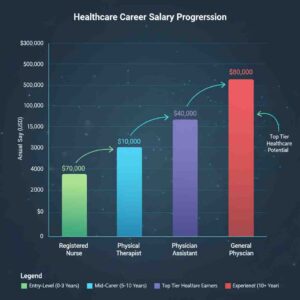
Physicians represent the highest-earning category within the healthcare sector, with significant variation based on specialization. The lengthy education and training requirements—typically including four years of undergraduate education, four years of medical school, and 3-7 years of residency—contribute to these elevated compensation levels.
Primary Care Physicians typically earn between $235,000 and $275,000 annually, with variations based on practice setting and patient volume. Family medicine physicians generally start at the lower end of this range, while internal medicine specialists often command higher compensation.
Medical Specialists demonstrate considerably higher earning potential, with averages ranging from $350,000 to $550,000 annually. The highest-paid specialties include:
-
Orthopedic surgeons: $485,000-$575,000
-
Cardiologists: $425,000-$525,000
-
Dermatologists: $395,000-$475,000
-
Gastroenterologists: $410,000-$495,000
Surgical Specialists consistently rank among the highest-paid medical professionals, with compensation frequently exceeding $450,000 annually. Neurosurgeons and thoracic surgeons typically earn at the upper extremes of this range, often surpassing $600,000 in metropolitan areas with high costs of living.
Nursing Profession Salaries
The nursing profession offers a wide compensation range influenced by education level, specialization, and geographic factors. The ongoing nursing shortage in many regions has contributed to steady salary increases, particularly for specialized roles.
Registered Nurses (RNs) earn median annual salaries between $75,000 and $105,000, with entry-level positions starting around $65,000 in most markets. RNs with advanced certifications or specialized experience can earn upwards of $120,000, particularly in high-cost regions like California and New York.
Advanced Practice Registered Nurses (APRNs) command significantly higher compensation, with median earnings ranging from $110,000 to $150,000. This category includes:
-
Nurse Practitioners: $115,000-$145,000
-
Certified Registered Nurse Anesthetists: $185,000-$225,000
-
Clinical Nurse Specialists: $105,000-$135,000
Nursing Leadership roles offer elevated compensation packages, with nurse managers typically earning $95,000-$130,000 and directors of nursing commanding $135,000-$185,000 annually. Chief Nursing Officer positions at major medical centers can reach $250,000 or more in total compensation.
Allied Health Professional Earnings
Allied health professionals represent a diverse category of healthcare workers with varying educational requirements and corresponding compensation levels.
Diagnostic and Therapeutic Technologists typically earn between $65,000 and $95,000 annually. Positions in this category include:
-
Radiologic technologists: $68,000-$89,000
-
Respiratory therapists: $65,000-$87,000
-
Physical therapists: $85,000-$105,000
-
Occupational therapists: $80,000-$100,000
Laboratory and Pharmacy Professionals demonstrate moderate earning potential, with salaries generally ranging from $55,000 to $85,000. Key positions include:
-
Clinical laboratory technologists: $60,000-$82,000
-
Pharmacy technicians: $35,000-$50,000
-
Pharmacists: $120,000-$145,000
Geographic Variations in Healthcare Compensation
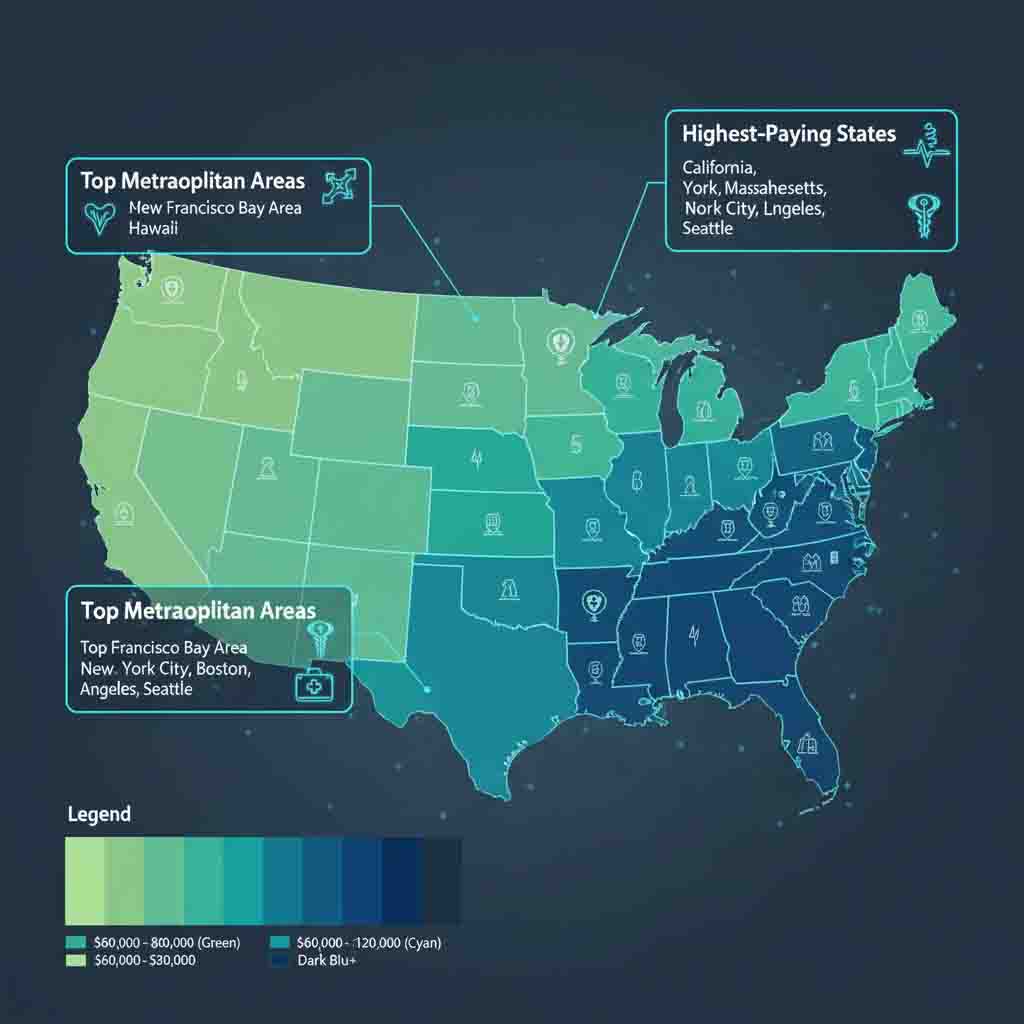
Healthcare salaries demonstrate significant regional variation, influenced by cost of living, demand for services, and concentration of medical facilities.
Highest-Paying Regions:
-
Pacific Coast (California, Oregon, Washington): 10-15% above national averages
-
Northeastern States (New York, Massachusetts, New Jersey): 8-12% above national averages
-
Alaska and Hawaii: 12-18% above averages due to isolation factors
Mid-Range Regions:
-
Great Lakes area (Illinois, Michigan, Ohio): 3-7% above national averages
-
South Atlantic states (Florida, Georgia, Virginia): aligned with national averages
Lower-Paying Regions:
-
Plains states (Kansas, Nebraska, Oklahoma): 5-10% below national averages
-
Parts of the Mountain West (Idaho, Montana): 8-12% below national averages
These geographic differentials often correlate with cost of living indices, though some high-demand specialties command premium compensation regardless of location.
Experience and Career Advancement Impact
Healthcare compensation typically increases substantially with experience, with the most significant jumps occurring during the first decade of practice.
Early Career (0-5 years): Professionals generally earn 15-25% less than their mid-career counterparts as they establish clinical skills and patient bases.
Mid-Career (6-15 years): This phase typically brings peak clinical earnings, with salaries reaching their maximum levels for most non-administrative roles.
Late Career (16+ years): While clinical compensation may plateau, many experienced professionals transition to leadership, consulting, or specialized roles that offer continued earning growth.
Additional Compensation Components
Beyond base salary, healthcare professionals often receive substantial additional compensation:
Benefits Packages typically include comprehensive health insurance, retirement contributions, malpractice coverage, and paid time off. The total value of these packages often equals 25-35% of base salary.
Incentive Compensation based on productivity, patient satisfaction, or quality metrics can add 5-20% to total compensation in many clinical roles.
Signing and Retention Bonuses have become increasingly common, particularly in underserved areas or for high-demand specialties, with amounts ranging from $10,000 to $100,000.
Future Outlook and Trends
The healthcare sector continues to demonstrate strong salary growth, with projections indicating sustained increases of 3-5% annually through 2025. Several factors contribute to this positive outlook:
-
Aging population driving increased demand for medical services
-
Geographic maldistribution of healthcare professionals creating localized shortages
-
Expanded healthcare coverage increasing patient access to services
-
Technological advancements creating new specialized roles
-
Regulatory changes affecting reimbursement models and practice patterns
Professionals with specialized skills, particularly in high-demand areas like telemedicine, data analytics, and population health, are likely to see above-average compensation growth in the coming years.
Conclusion
Healthcare remains one of the most financially rewarding career paths in the United States, offering competitive salaries, strong job security, and multiple advancement opportunities. While compensation varies significantly based on specialization, geography, and experience, the sector consistently provides above-average earning potential across all education levels.
Understanding these compensation patterns enables healthcare professionals to make informed career decisions, negotiate effectively, and maximize their long-term earning potential in this dynamic and essential industry.
Official Data Sources: U.S. Bureau of Labor Statistics, Medical Group Management Association, American Medical Group Association