The path to becoming a software engineer has transformed dramatically in recent years. While computer science degrees were once the primary gateway into tech, today’s landscape offers multiple accessible pathways for motivated individuals regardless of their educational background. The growing acceptance of alternative education routes, combined with persistent demand for tech talent, has created unprecedented opportunities for career-changers.
This comprehensive guide outlines a proven seven-step approach to launching your software engineering career without a traditional four-year degree.
Step 1: Assess Your Starting Point and Set Realistic Goals
Begin by evaluating your current situation and defining clear, achievable objectives. Successful career transitions require honest self-assessment across several dimensions:
Time Commitment Analysis:
- Full-time immersion: 3-6 months for intensive learning
- Part-time study: 9-15 months while maintaining current employment
- Weekly hour requirements: 15-25 hours for steady progress
Financial Planning Considerations:
- Bootcamp tuition: $5,000-$20,000 (with financing options available)
- Self-study resources: $500-$2,000 for premium courses and materials
- Living expenses during career transition: 3-6 month safety cushion recommended
Career Goal Specificity (Maximizing First Role ROI):
- Initial target roles: Junior Developer, Front-End Engineer, or QA Engineer
- Industry focus: Web development, mobile applications, or enterprise software
- Company types: Startups, tech companies, or non-tech corporations with IT departments
Document your assessment results and revisit them monthly to track progress and adjust your approach as needed.
Step 2: Build Your Foundational Knowledge Systematically
Establish a solid programming foundation through structured learning paths. The following roadmap has proven effective for thousands of successful self-taught engineers:
Months 1-2: Core Web Technologies
- HTML5 and semantic markup principles
- CSS3, Flexbox, Grid, and responsive design fundamentals
- JavaScript basics: variables, functions, loops, and DOM manipulation
Months 3-4: Programming Fundamentals
- Advanced JavaScript: ES6+ features, asynchronous programming
- Basic algorithms and data structures
- Version control with Git and GitHub
- Command line proficiency
Months 5-6: Specialization Foundations
- Front-end framework: React, Vue, or Angular
- Back-end basics: Node.js, Express, and database fundamentals
- API concepts and implementation
This progression balances immediate project capabilities with long-term career foundations.
Step 3: Select Your Learning Pathway
Choose an educational approach that aligns with your learning style, budget, and timeline:
Structured Bootcamps (Recommended for Most Learners)
- Duration: 12-24 weeks of intensive training
- Cost: $10,000-$18,000 with income share agreements available
- Benefits: Structured curriculum, mentorship, career services, and peer support
- Considerations: Requires full-time commitment for most programs
Self-Directed Learning Path
- Resources: Online platforms like freeCodeCamp, The Odin Project, and Udemy
- Cost: $500-$2,000 for premium resources
- Benefits: Flexible schedule, customizable curriculum, and self-paced progression
- Challenges: Requires exceptional discipline and self-motivation
Hybrid Approach
- Combination: Structured courses with self-directed project work
- Example: Part-time bootcamp supplemented with additional online courses
- Balance: Maintains flexibility while providing structure and accountability
Research each option thoroughly, talk to program graduates, and assess which environment best supports your success.
Step 4: Develop a Project Portfolio That Demonstrates Value
Your portfolio represents your most powerful credential—the real-world equivalent of a degree. Focus on creating projects that solve real problems and demonstrate technical competence .
Essential Portfolio Projects:
- Personal website with blog functionality (demonstrates full-stack capabilities)
- E-commerce application with payment processing
- Data visualization dashboard using public APIs
- Mobile-responsive web application with modern UI/UX principles
Portfolio Quality Principles (Maximize ROI):
- Code quality: Clean, well-documented, and following best practices
- Deployed projects: Live applications accessible to potential employers
- GitHub presence: Active contribution history and organized repositories
- Project diversity: Showcases range of technologies and problem-solving approaches
Aim for 3-5 substantial projects that collectively demonstrate the skills required for your target roles.
Step 5: Implement an Effective Job Search Strategy
Transitioning from learning to employment requires a systematic, high-effort approach:
Resume Development:
- Highlight projects and skills rather than formal education
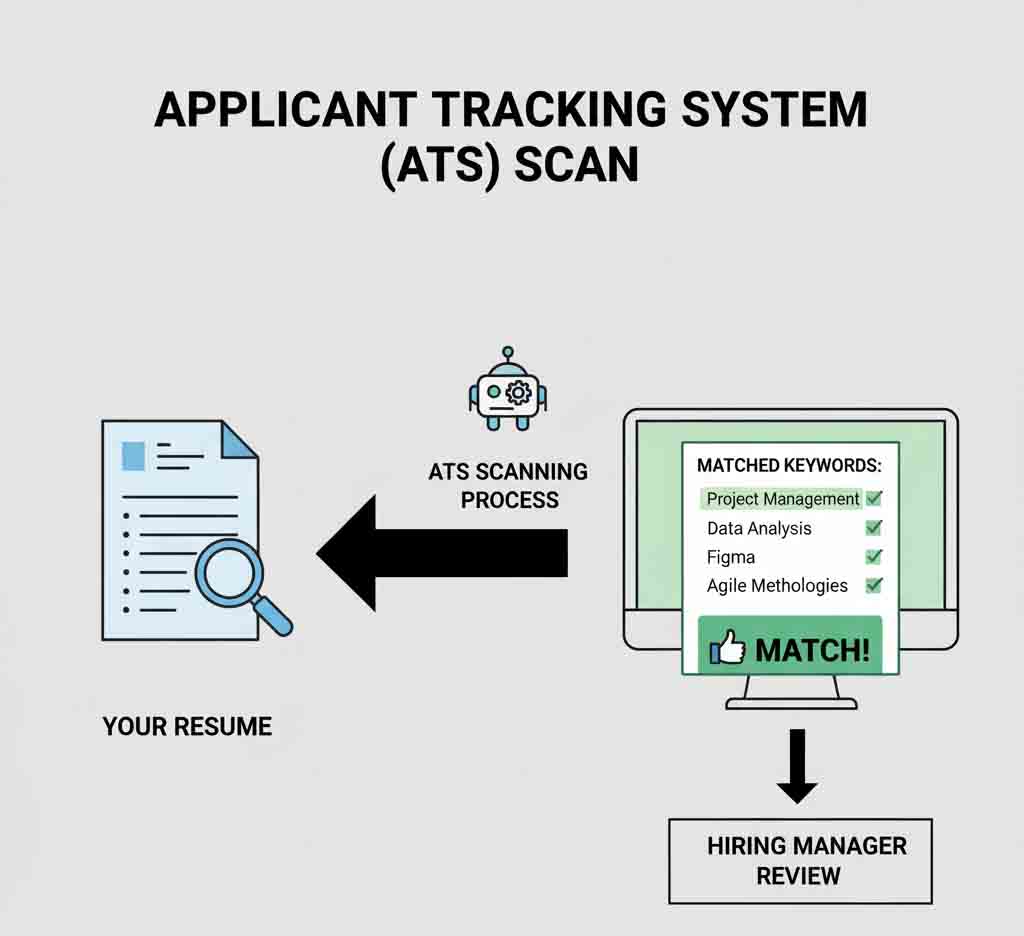
- Include relevant keywords from job descriptions (for ATS)
- Quantify achievements and technical capabilities
- List technologies and proficiency levels clearly
Networking Approach:
- Attend local tech meetups and virtual events
- Participate in online developer communities
- Conduct informational interviews with industry professionals
- Contribute to open-source projects to build connections
Application Strategy:
- Target companies known for hiring bootcamp graduates and self-taught developers
- Leverage referral connections when possible
- Customize application materials for each position
- Follow up strategically without being intrusive
The average job search for self-taught developers ranges from 3-9 months, with persistence being the critical factor.
Step 6: Prepare Thoroughly for Technical Interviews
Technical interviews represent the final barrier to entry. Prepare systematically for each interview component:
Technical Screening Practice:
- Algorithm challenges on platforms like LeetCode and HackerRank
- Live coding sessions with peers or mentors
- Whiteboard practice for in-person interviews
Behavioral Interview Preparation:
- STAR (Situation, Task, Action, Result) method mastery
- Project experience articulation
- Problem-solving process demonstration
- Teamwork and collaboration examples
Take-Home Assignment Excellence (Code Quality is King):
- Code quality emphasis over feature completeness
- Comprehensive documentation
- Testing implementation
- Clear README with setup instructions
Consistent, focused practice across all interview types significantly increases success rates.
Step 7: Continue Learning and Growing in Your New Role
Your first engineering position represents the beginning rather than the end of your learning journey:
Initial Role Strategy:
- Embrace learning opportunities in your first position
- Seek mentorship from experienced team members
- Volunteer for challenging assignments that build skills
- Establish a track record of reliability and contribution
Career Advancement Planning:
- Continue skill development through side projects and courses
- Participate in code reviews and technical discussions
- Attend conferences and stay current with industry trends
- Set 1-year, 3-year, and 5-year career objectives
The most successful self-taught engineers maintain their learning mindset throughout their careers, continuously adapting to new technologies and methodologies.
My Personal Take (Decades of Insight)
The non-degree path is faster, but it requires you to act like a professional engineer from day one. Your portfolio is your degree. Every line of code, every documented project, and every networking meeting is a high-ROI action. Don’t waste time trying to learn everything; focus on mastering one full-stack specialization (like React/Node) and building proof-of-concept projects. Companies hire proven problem-solvers, not certificate collectors.
Official Data Sources:
U.S. Bureau of Labor Statistics, Stack Overflow Developer Survey, National Center for Education Statistics