The remote work landscape continues to evolve, offering more opportunities than ever for professionals seeking location flexibility. However, finding a legitimate, high-value remote position requires a strategic approach different from traditional job searching. This guide provides a step-by-step framework to help you navigate the remote job market effectively, maximizing your time and interview conversions.
Step 1: Identify Your Target Roles and High-Value Remote Skills
Before beginning your search, clarify what types of remote positions align with your skills and experience. Remote-friendly roles often exist in technology, marketing, customer support, writing, design, and project management.
Actionable Insight: Assess which of your skills are most transferable to remote work, such as self-motivation, asynchronous written communication, and technical proficiency with collaboration tools (this is your core differentiator).
Step 2: Optimize Your Application Materials for ATS & Remote Competency
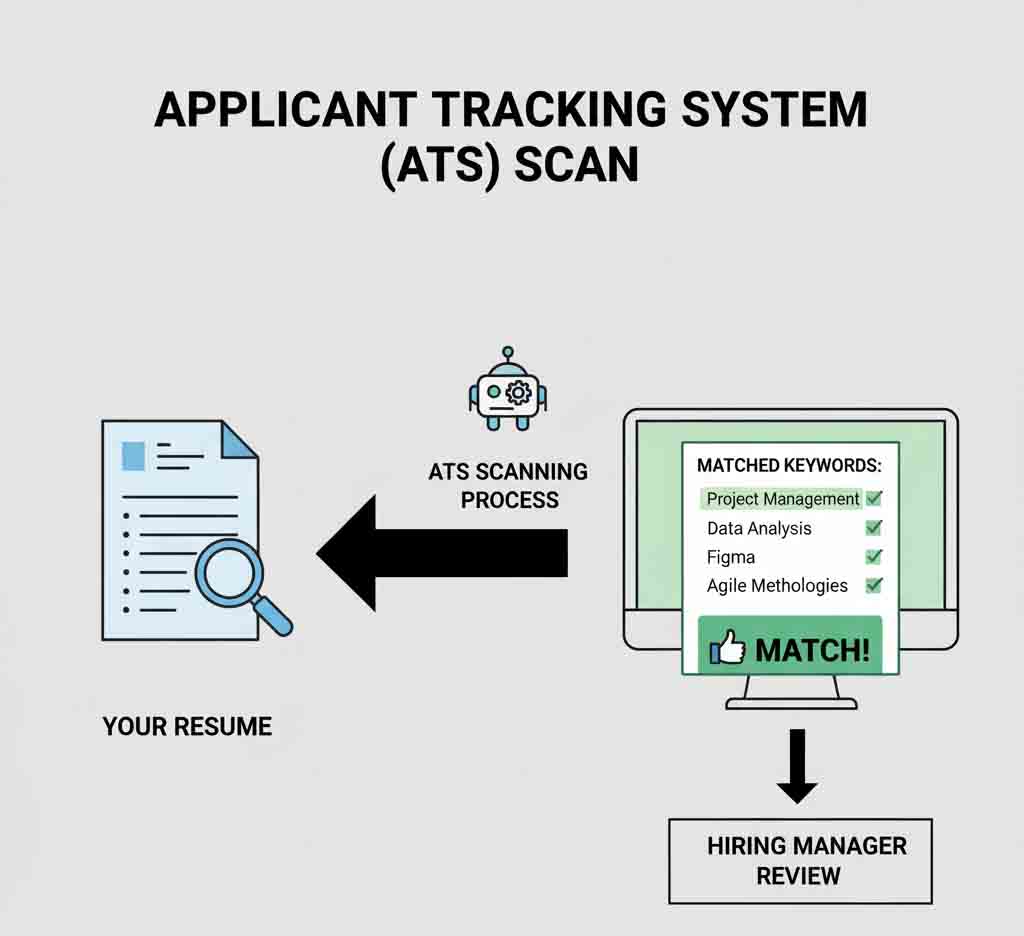
Tailor your resume, cover letter, and online profiles to explicitly highlight remote work competencies—this is how you bypass Applicant Tracking Systems (ATS) and impress hiring managers.
- Resume: Include a dedicated “Remote Skills” section featuring abilities like virtual collaboration, time management, and familiarity with tools like Slack, Zoom, or Asana. Quantify previous remote work experience or results achieved while working independently.
- Cover Letter: Explicitly state your experience with and preference for remote work. Mention your home office setup and your ability to manage deadlines without direct supervision.
- LinkedIn Profile: Add “Remote” or “Hybrid” to your desired job titles in your headline. Use the “Open to Work” feature and select “Remote” as your preferred location.
Step 3: Know Where to Search for Legitimate Opportunities (Avoid Low-ROI Boards)
Focus your efforts on platforms specializing in remote work to avoid scams and low-quality listings:
- Dedicated Remote Job Boards: Websites like FlexJobs, We Work Remotely, and Remote.co curate verified remote positions from reputable companies.
- Company Career Pages: Target companies known for remote-friendly cultures (e.g., GitLab, Automattic) and check their career pages directly.
- LinkedIn Filters: Use the “Remote” location filter when searching and set up job alerts for your target roles.
- Networking: Inform your professional network of your interest in remote positions, as many high-value opportunities are filled through referrals.
Step 4: Prepare for the Virtual Interview Process (Mastering the Camera)
Remote interviews typically involve multiple stages designed to assess both your qualifications and remote work suitability. Your presentation is key.
- Technical Setup: Test your internet connection, webcam, and microphone beforehand. Ensure your background is professional and free from distractions.
- Behavioral Questions: Expect questions about your time management, communication habits, and previous experience working independently. Prepare examples using the STAR (Situation, Task, Action, Result) method.
- Practical Assessments: Many companies include skill-based tests or trial projects to evaluate your ability to deliver results remotely.
- Culture Fit: Research the company’s remote culture and prepare questions about communication norms, team rituals, and performance expectations.
Step 5: Evaluate Offers and Negotiate High-Value Remote Terms
When considering a remote job offer, look beyond salary to factors specific to remote work:
- Equipment and Expenses: Clarify what technology the company provides and whether they offer stipends for home office setup, internet, or co-working spaces.
- Flexibility: Understand core working hours and time zone expectations, especially if the team is distributed globally.
- Benefits: Confirm that benefits are accessible regardless of your location, including health insurance and retirement plans.
- Onboarding: Ask about the remote onboarding process to ensure you’ll receive adequate support and integration, focusing on asynchronous training materials.

Avoiding Common Remote Job Search Pitfalls
- Research Companies Thoroughly: Verify the legitimacy of employers through reviews on Glassdoor and other platforms.
- Beware of Scams: Be cautious of offers that seem too good to be true, request financial information, or use personal email addresses instead of company domains.
- Demonstrate Proactive Communication: Throughout the process, showcase your responsiveness and clarity in written communication—key traits for remote success.
My Personal Take (Decades of Insight)
The single biggest mistake remote job seekers make is assuming they just need to prove they are available. In reality, you must prove you are efficient and asynchronous. The highest-ROI strategy is to treat your application and interview process as a demonstration of your remote work ethic. Answer emails clearly and concisely, keep video backgrounds clean (showing attention to detail), and structure your answers to showcase autonomous problem-solving. This proves you are an asset who reduces managerial overhead, which is the definition of high value in the WFH world.
Official Data Sources:
U.S. Bureau of Labor Statistics Industry Reports on Remote Work Trends (e.g., Buffer, Global Workplace Analytics)